Where everything enters
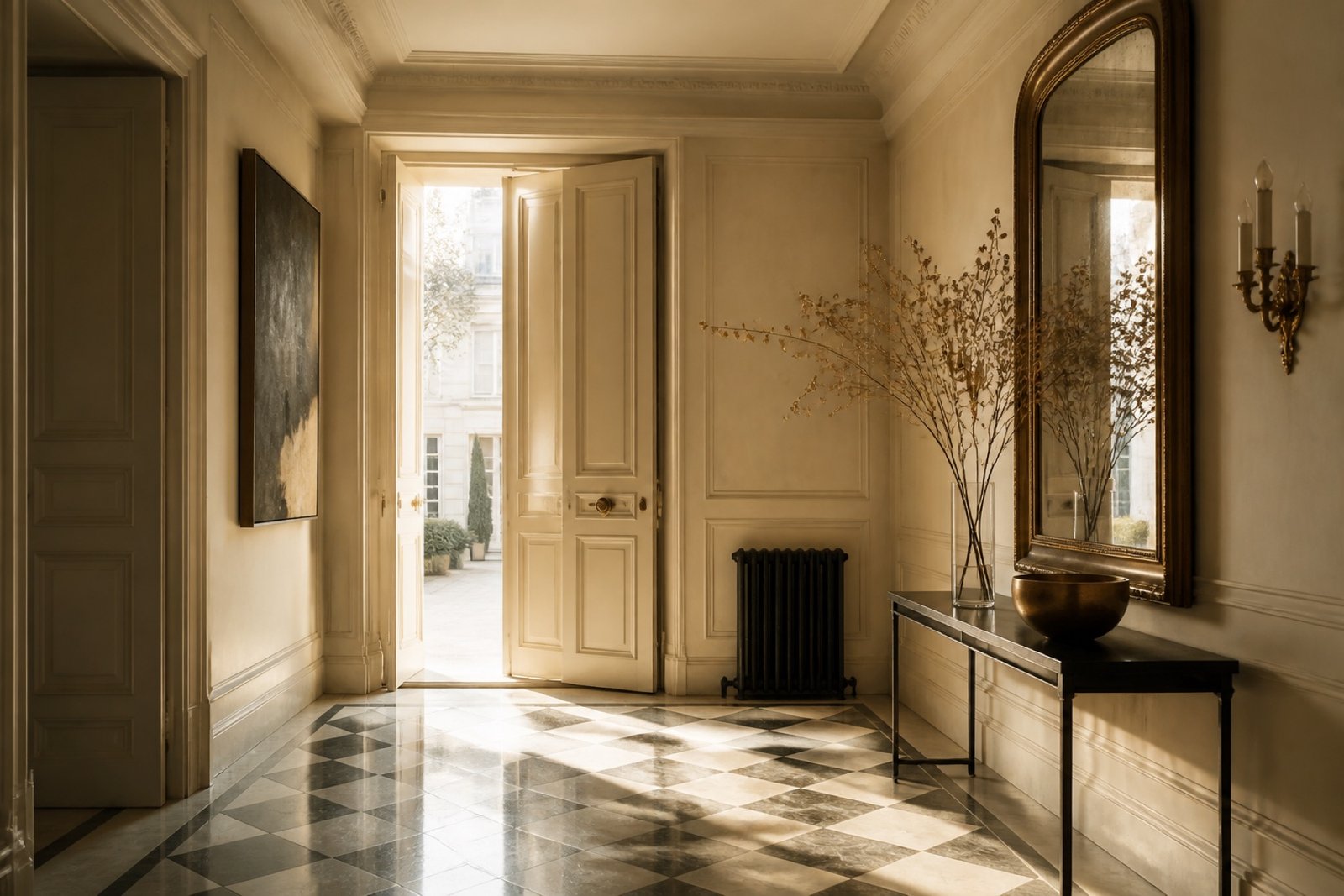
The door is the mouth of the house — whatever the day brings comes in through it. Keep the first three metres clear, put one solid, beautiful object where the eye lands, and never let a mirror face the door directly.
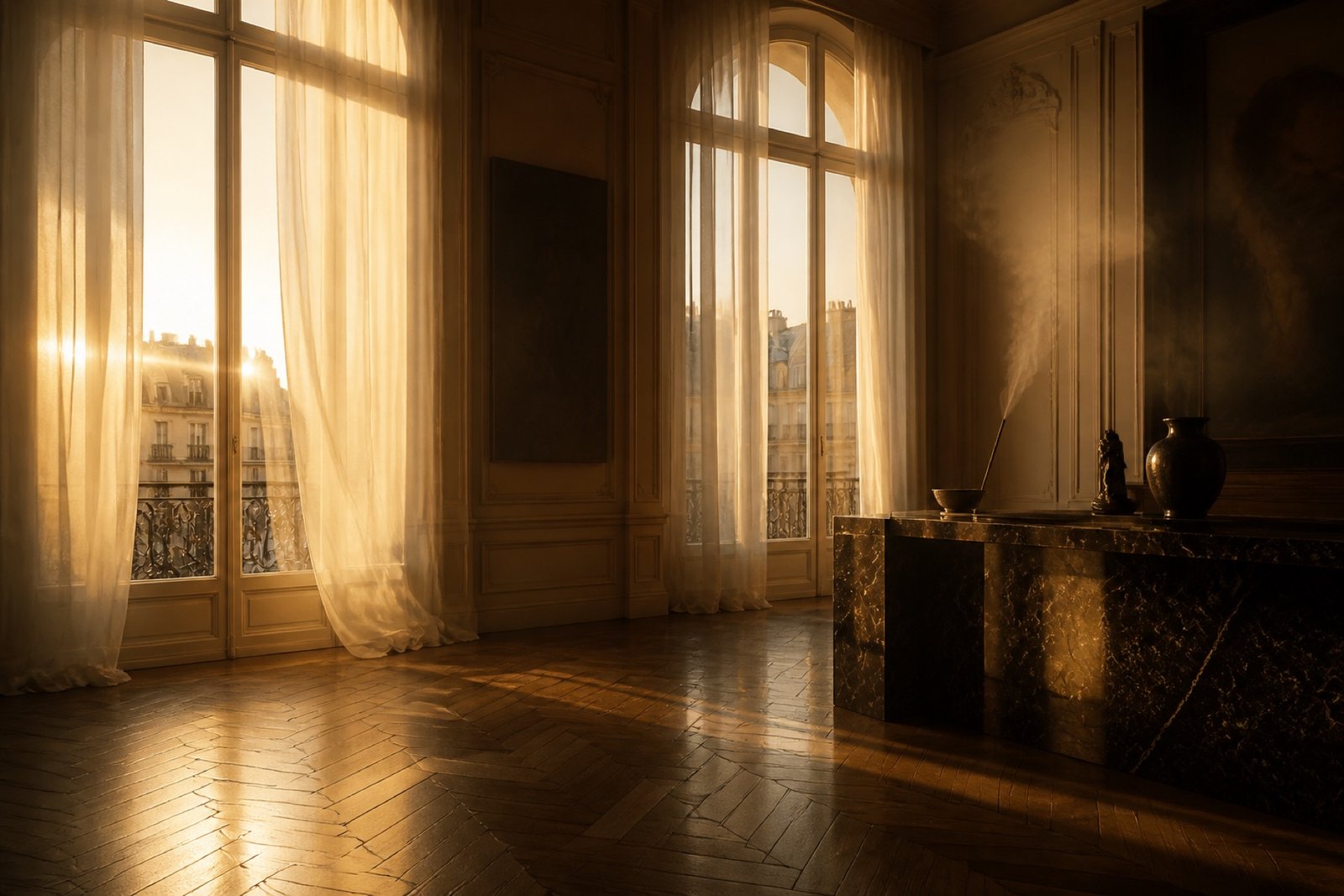
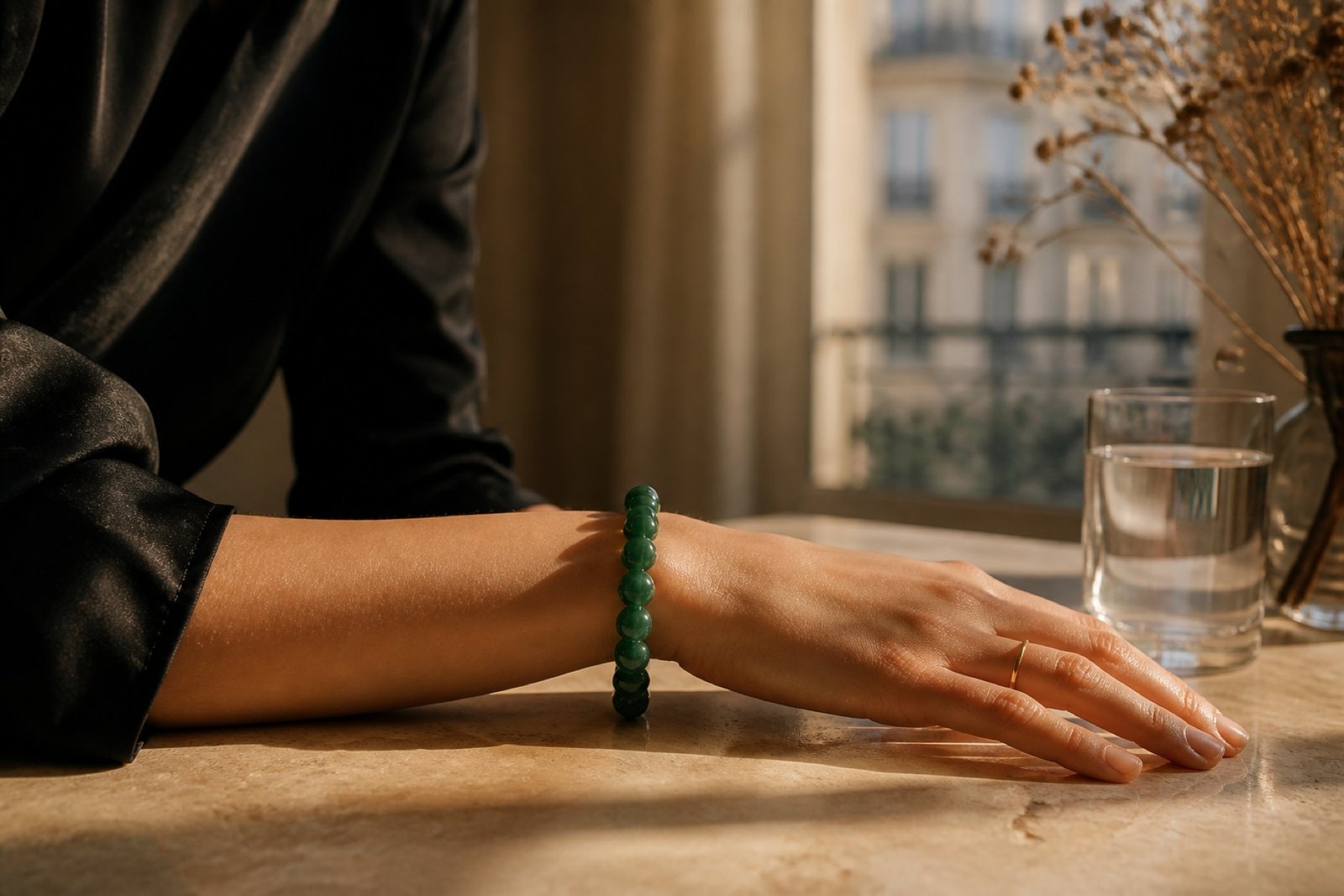
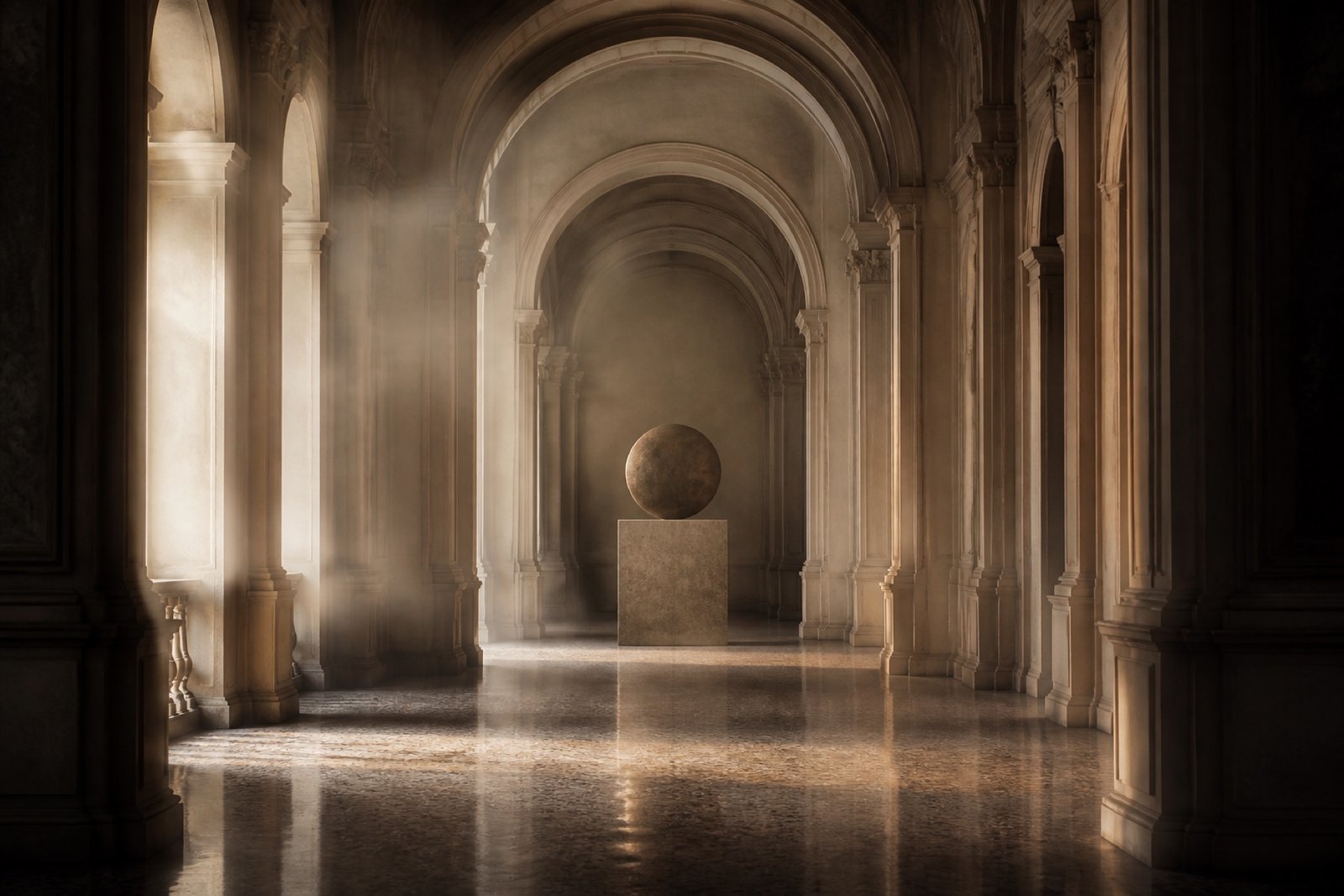
Feng shui is not decoration and it is not superstition. It is three thousand years of notes on how people feel in the spaces they live in — where the light falls, where the back is exposed, where the eye rests. Choose an element below and we will show you what belongs where.
Every house already has an opinion about you. It decides where you sit, which corner you avoid, which room the arguments happen in. Feng shui is simply learning to answer back.
Where does the light enter, where does your back sit exposed, where does the eye stop? Before any object is bought, the room is mapped.
A space that feels wrong is almost always short of one of five things. Naming it is ninety per cent of the correction.
One considered object in the right position outperforms a shelf of ornaments. Then leave it alone and live there.
Wu Xing — the five phases. Select an element to read what it governs and see the pieces that carry it.
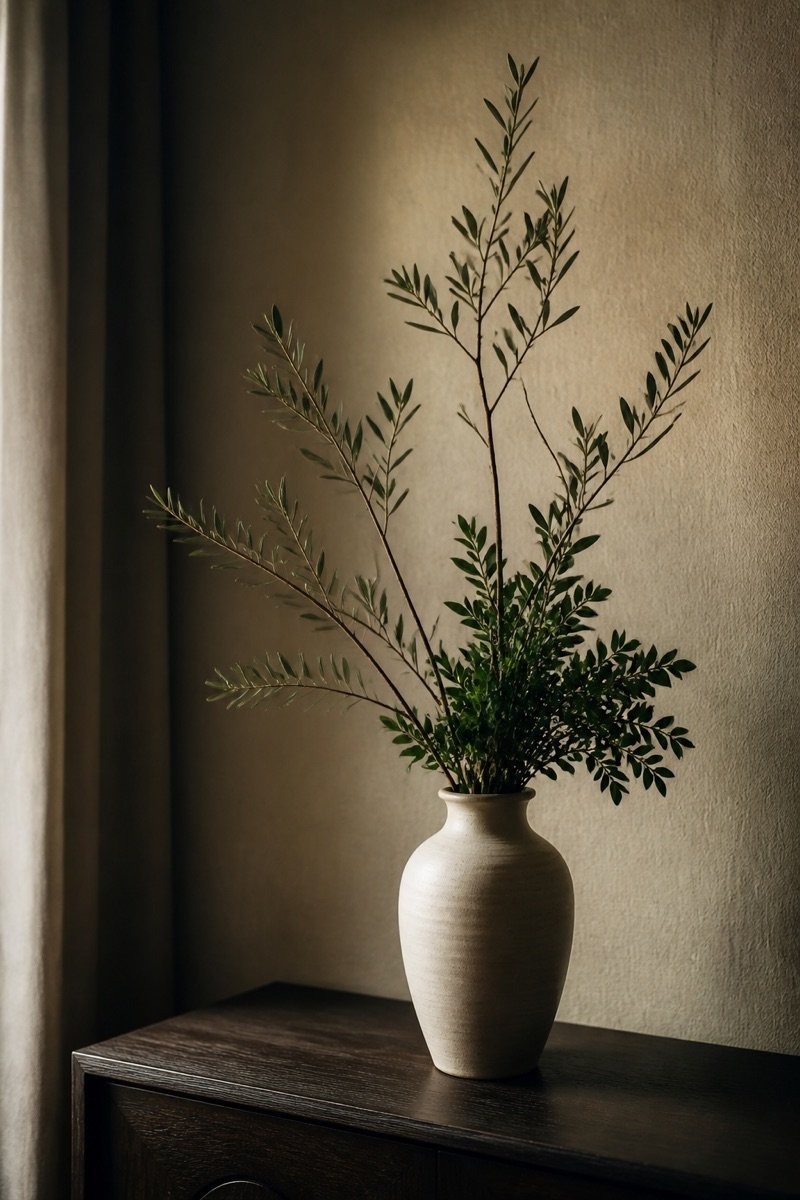
Wood is the first light of the cycle — the impulse that pushes a shoot through frozen ground. Place it in the east of a home when a family is starting something: a business, a marriage, a child, a second act. It rewards patience and punishes clutter.
Keep something living in the east of the room. A single branch is enough.
 9 photos
 4 photos
 5 photos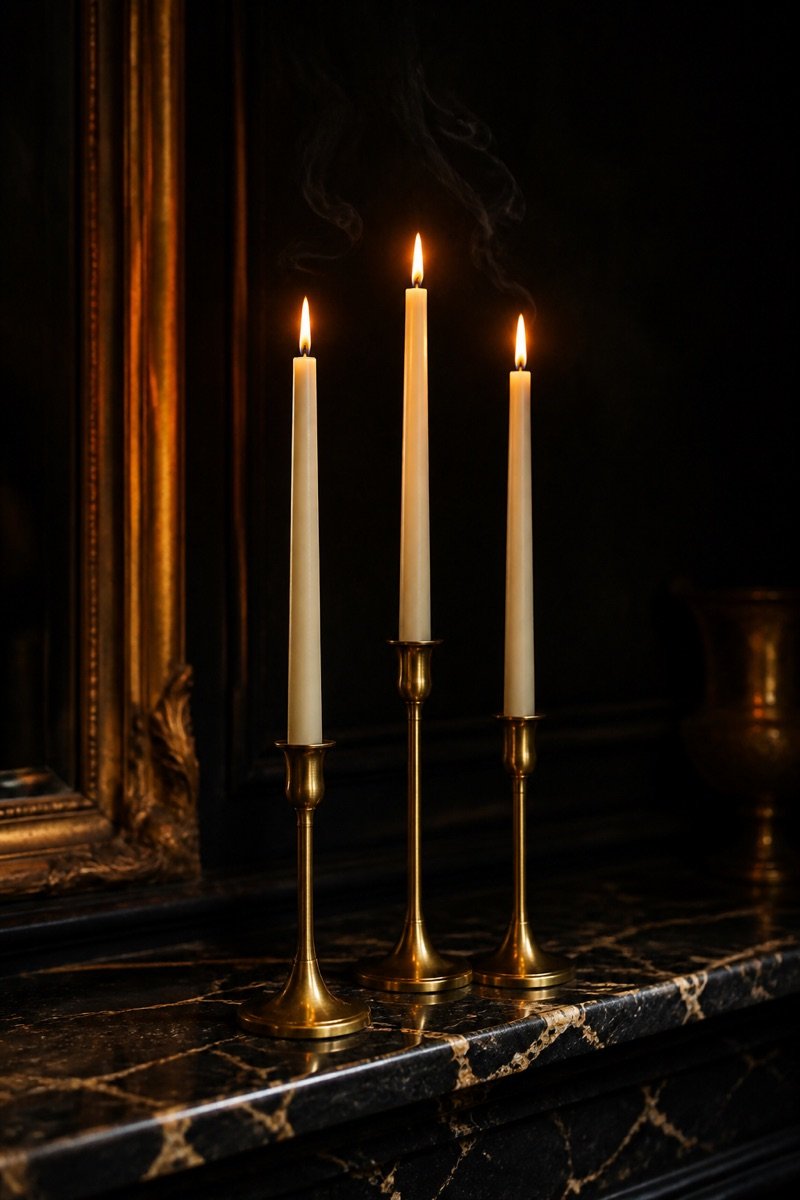
Fire is the noon of the cycle. It governs how the world reads you — your name, your work, the room you walk into. Place it in the south when you are ready to be visible. Too much and a house becomes restless; one deliberate point of warmth is the whole art.
Light one candle in the south of the room before work that matters.
 6 photos
 6 photos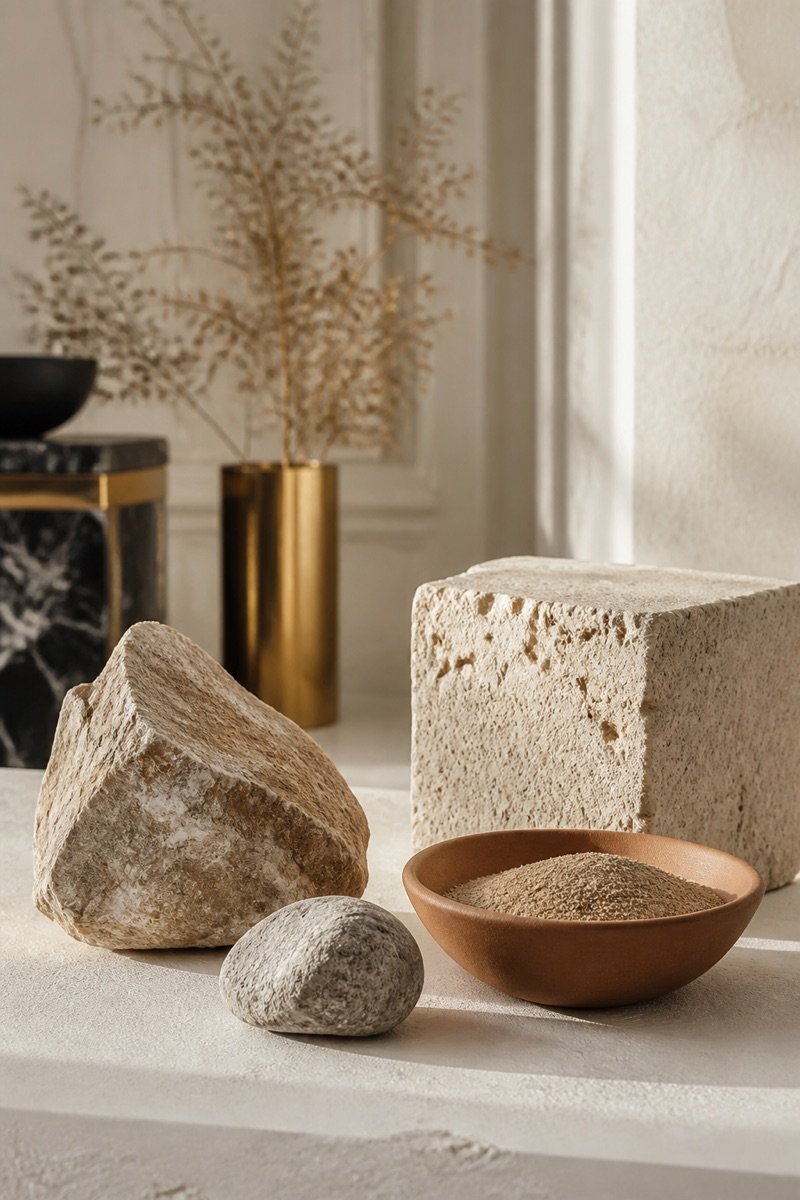
Earth is the late afternoon — the settling. It is the element of the centre of a home, of a shared table, of sleeping well. When a house feels anxious without cause, it is almost always earth that is missing. Weight and rough natural texture bring it back.
Something heavy and unpolished at the centre of the home. Stone, ideally.
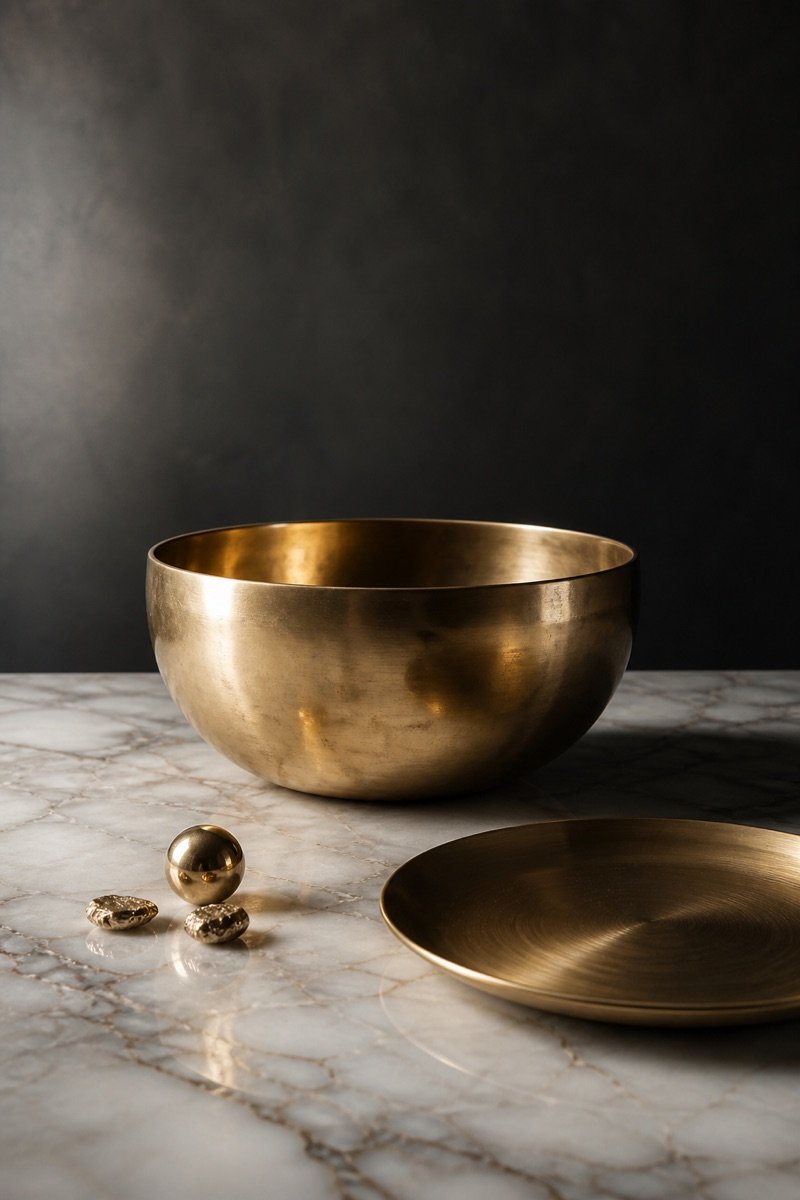
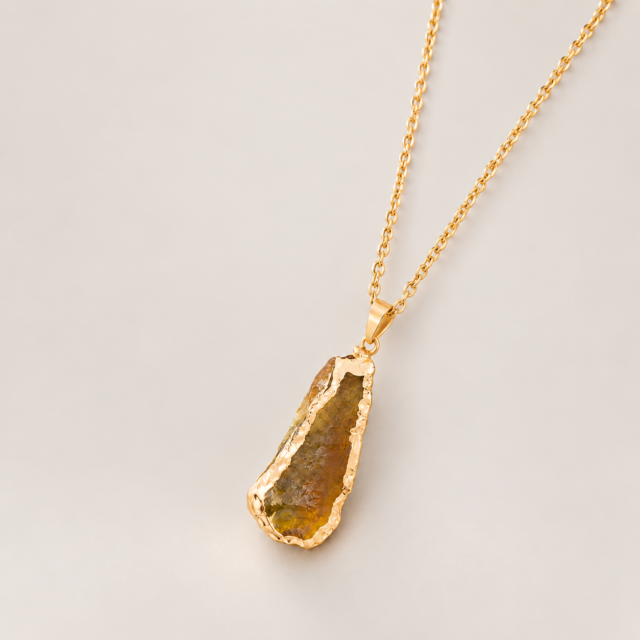
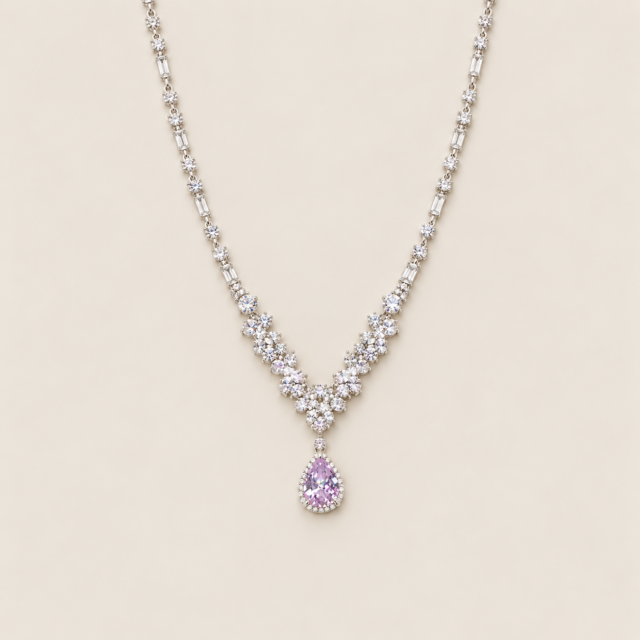
Metal is dusk: the cut, the edit, the decision finally made. It belongs in the west, where the day is closed out. Rooms with too much metal feel cold and unforgiving; rooms with none feel vague. This is the element for people whose work depends on judgement.
One clear metal note in the west — a bowl, a disc, a struck sound.
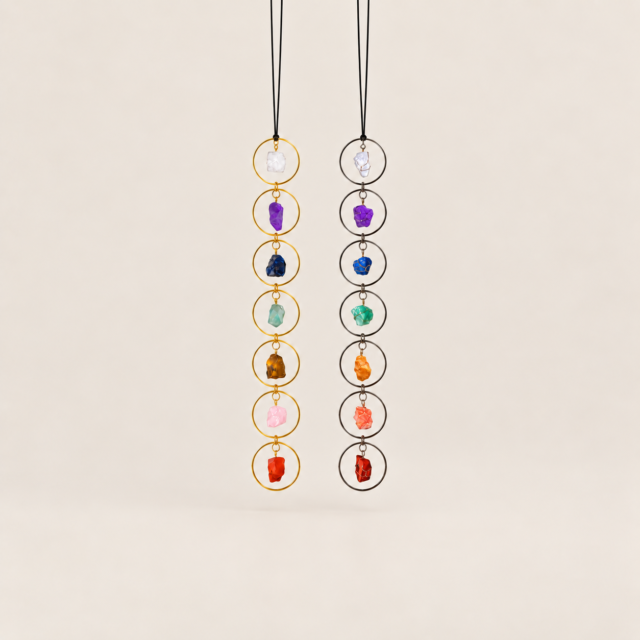 14 photos
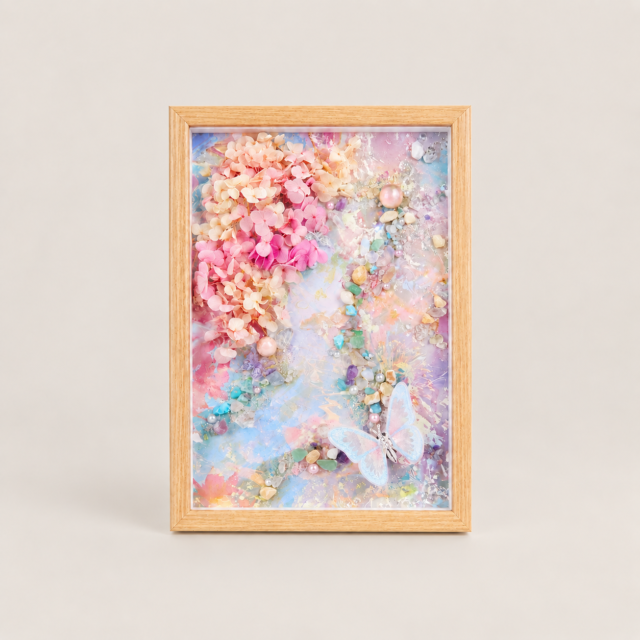 11 photos
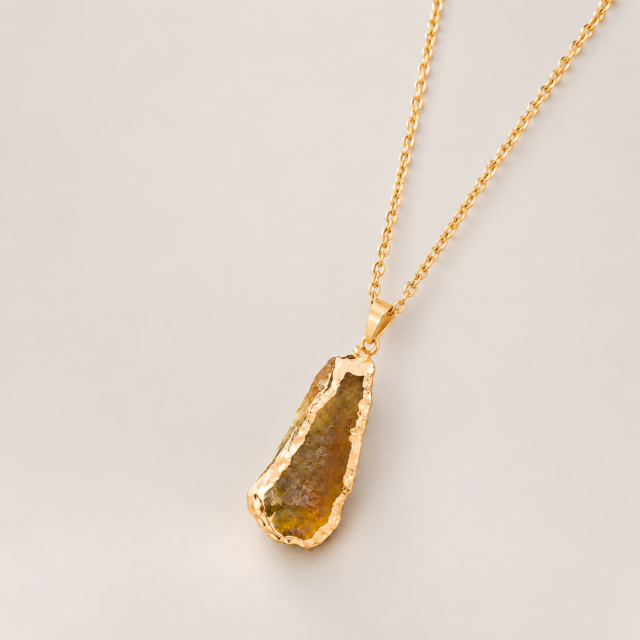 19 photos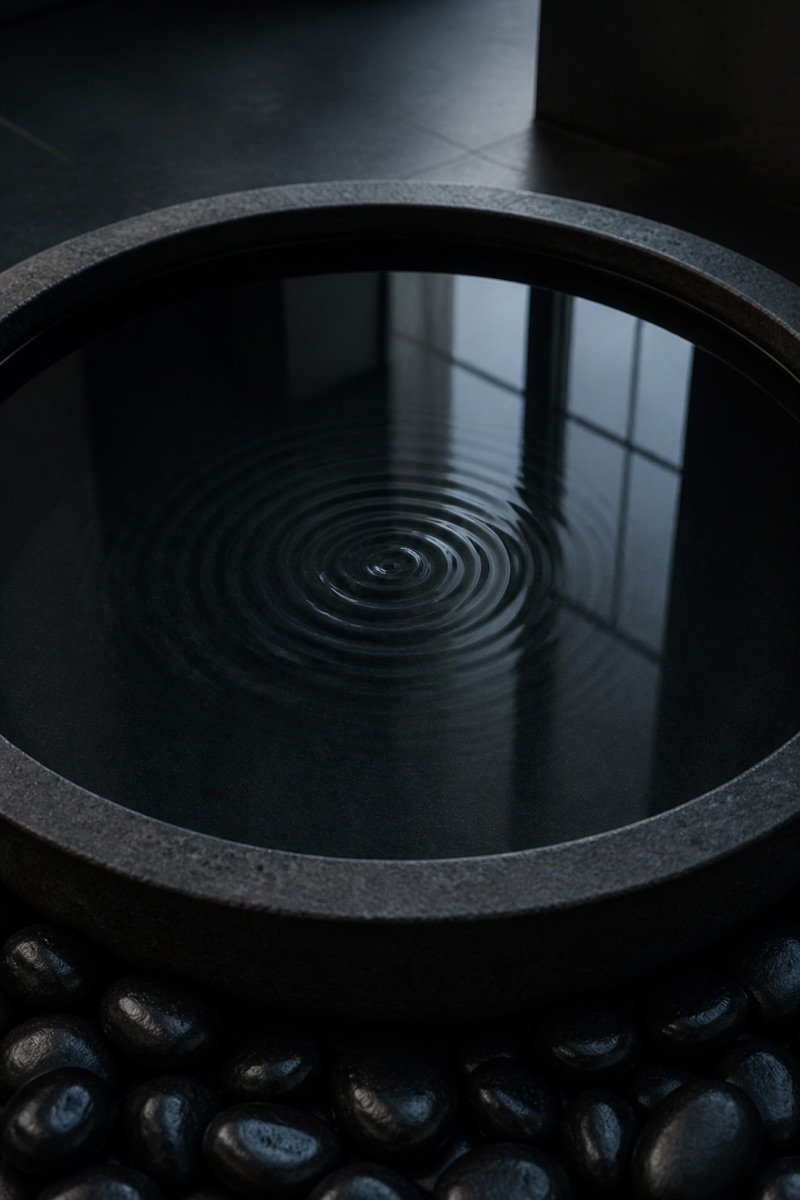
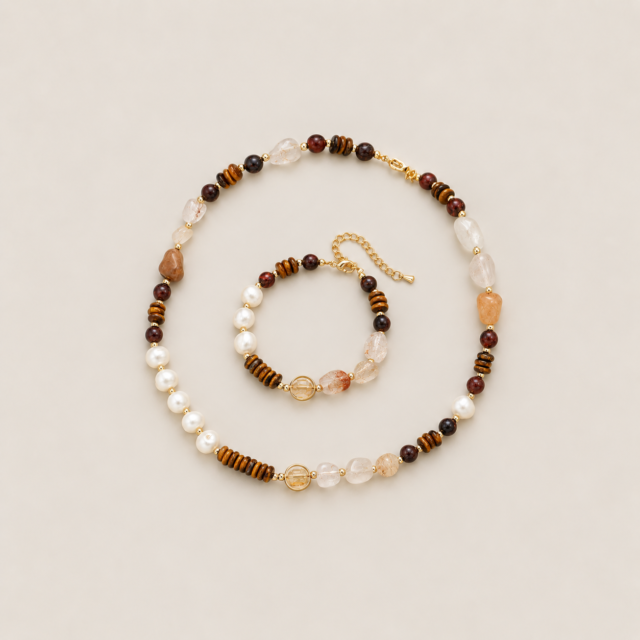
Water is midnight — depth, career, the long game. It is the element of the north wall and of anyone whose path has stalled. Water does not force; it finds the way around. Dark stone and reflective surfaces carry it best.
Keep the north of the room dark, uncluttered and reflective.
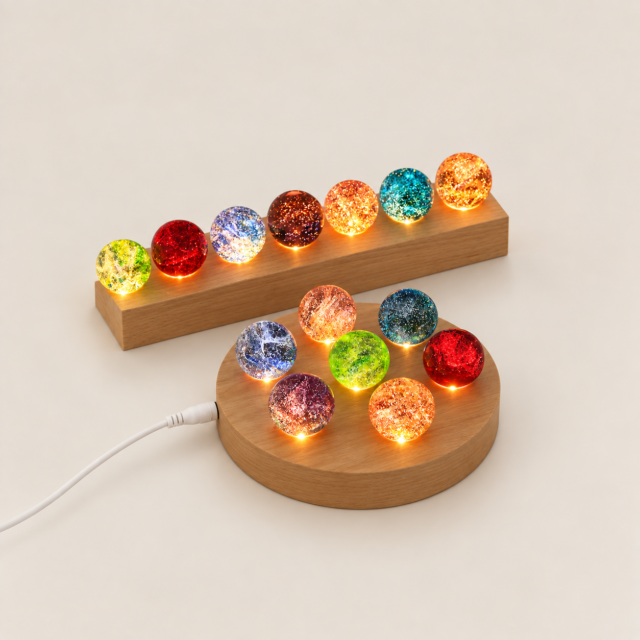 11 photos
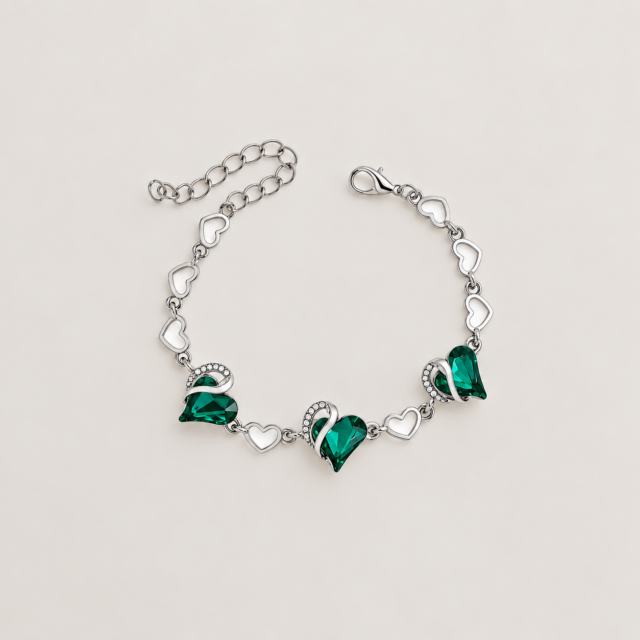 9 photos
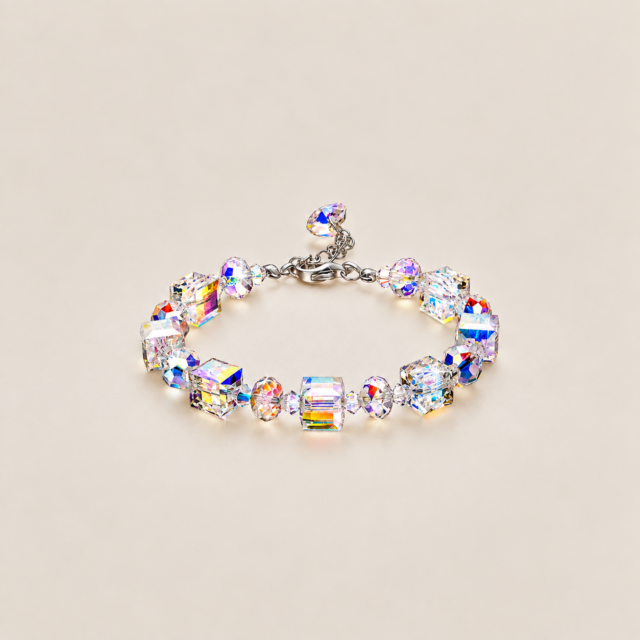 3 photos
If you only correct three areas of a home, make them these.
The door is the mouth of the house — whatever the day brings comes in through it. Keep the first three metres clear, put one solid, beautiful object where the eye lands, and never let a mirror face the door directly.
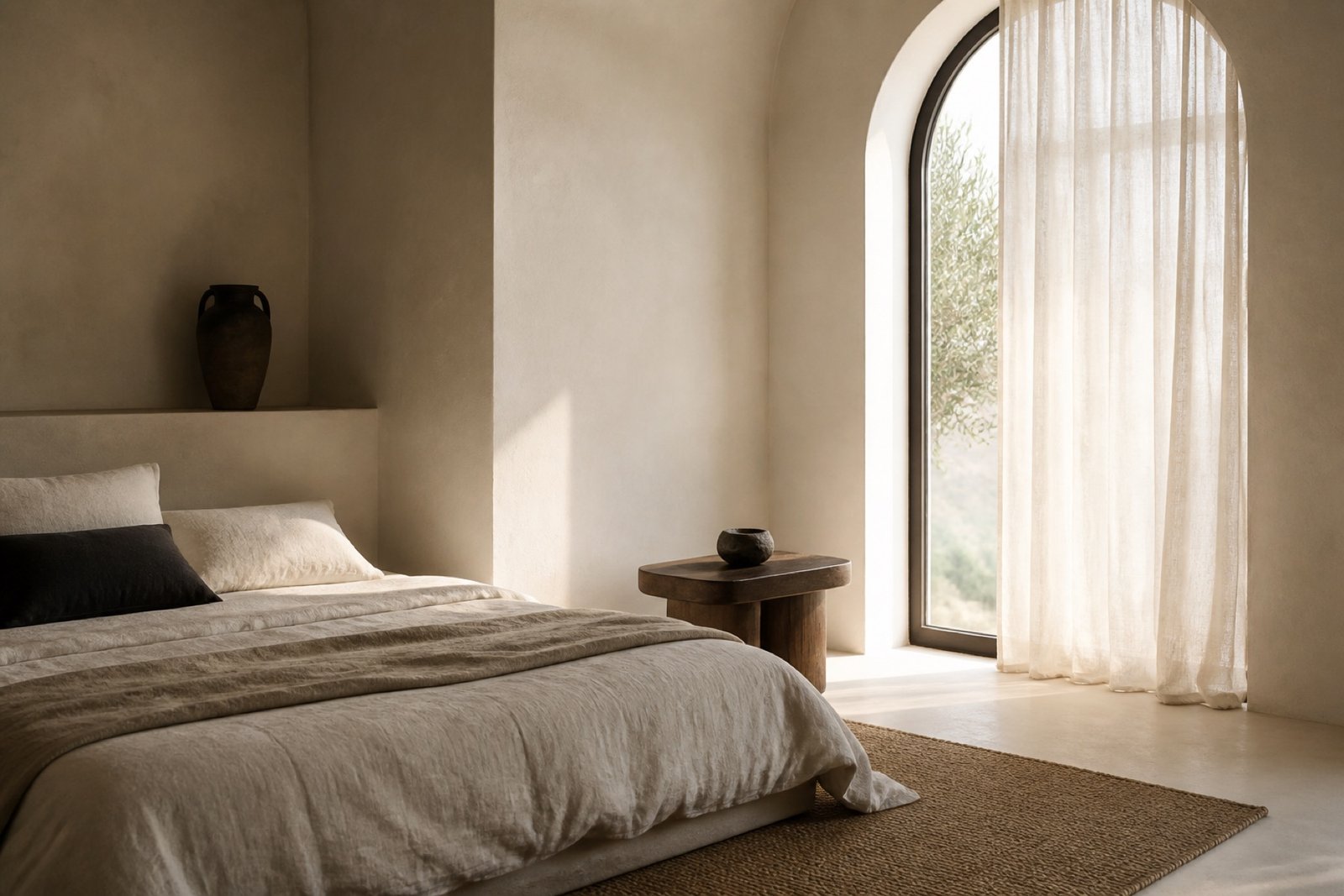
A solid wall behind the headboard, a clear view of the door without lying in line with it, nothing stored underneath the bed. Small corrections here are felt faster than anywhere else in a home.
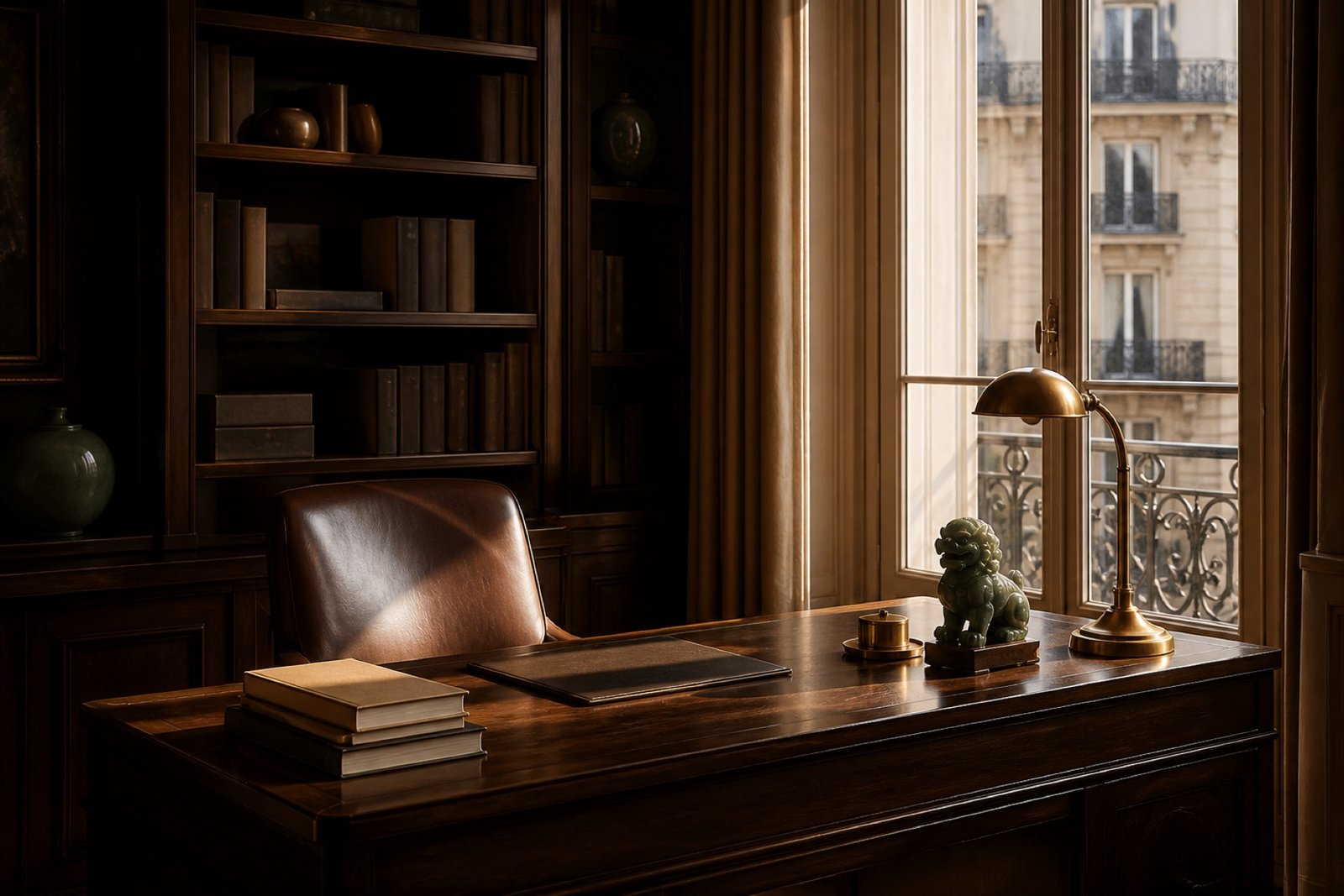
Sit with your back to a wall and the room in front of you — the command position. One metal piece on the left of the desk for clarity, one dark stone on the right for staying power.
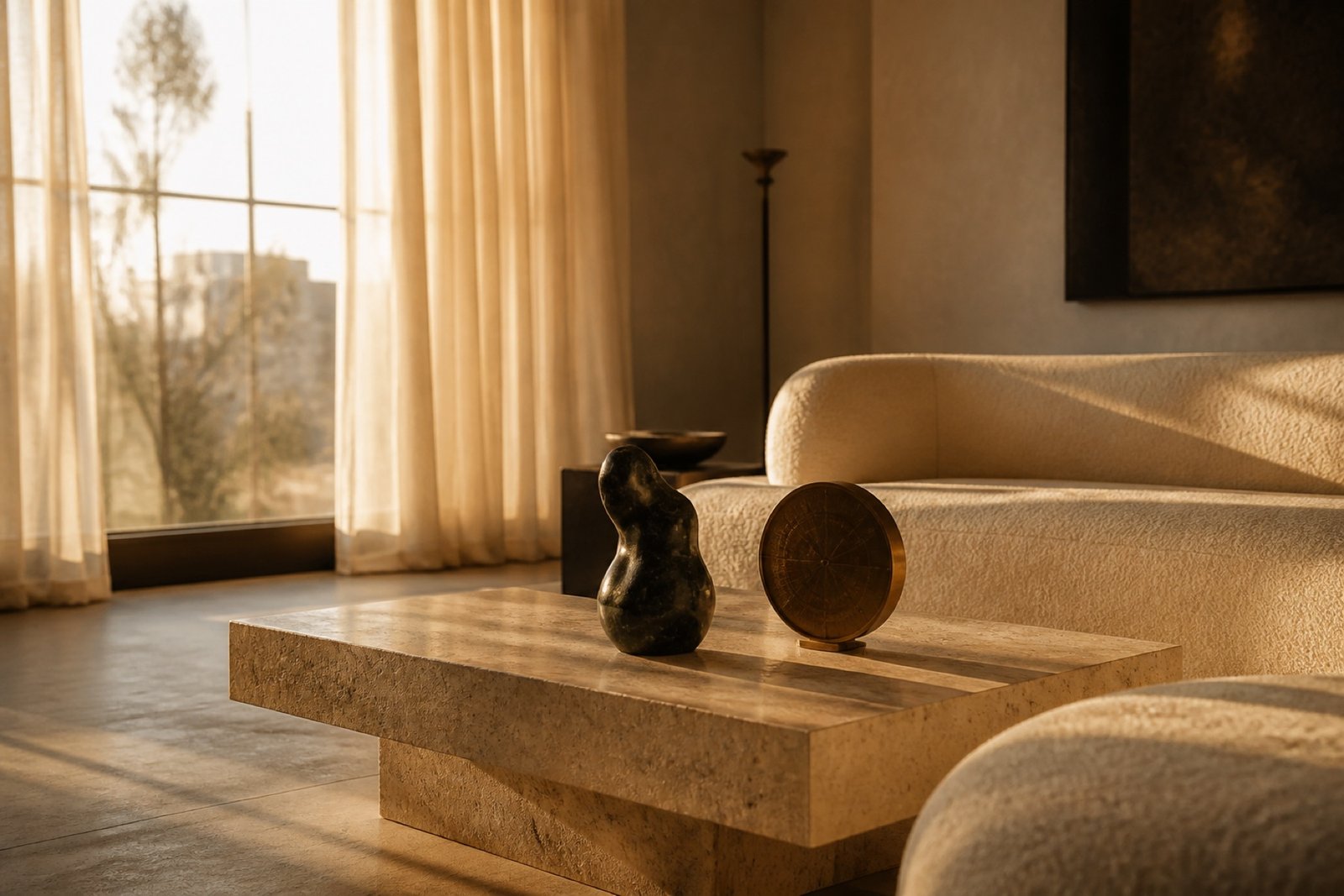
“We do not arrange rooms to change our luck. We arrange them so that on the worst day of the year, the house is still on our side.”Lin Wei — ORIENS consulting master, thirty-one years reading floor plans
A welcome gift for you
15% OFF
your first order
Subscribe to receive your welcome code and discover new arrivals.
Unsubscribe anytime.
Your code is ready
15% off
We have emailed it to you as well. It applies to your first order.
Start shopping